
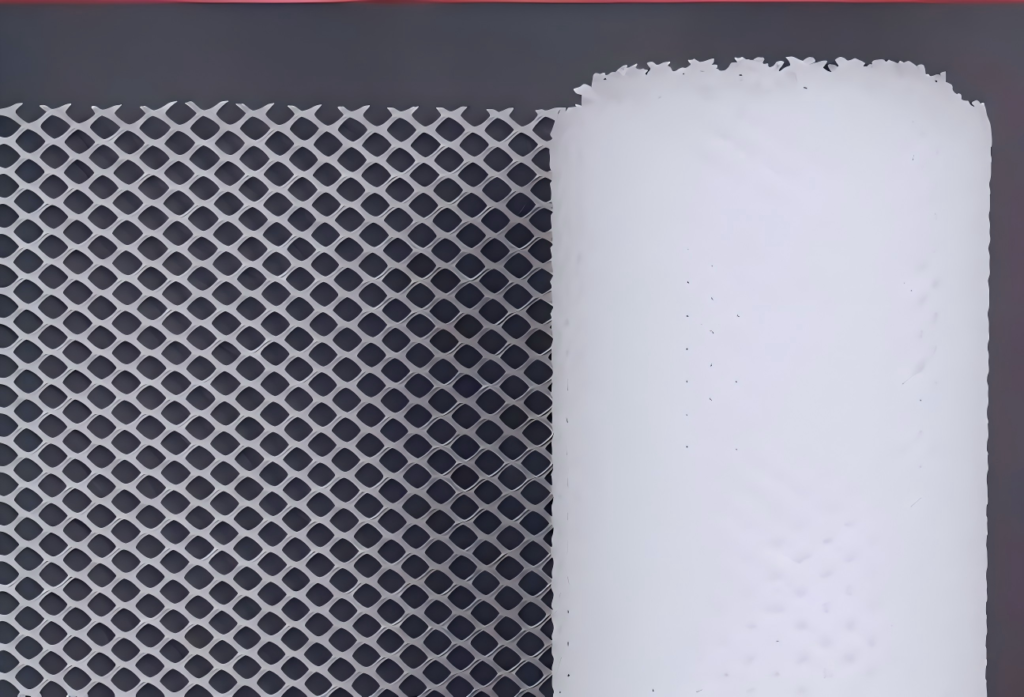
Poultry Slatted Floor (Manure Dropping Grid)
Qingzhou Baimu Machinery Co., Ltd.
Add Your Tooltip Text Here
Poultry Slatted Floor (Manure Dropping Grid) Introduction
The slatted floor effectively separates birds from manure, keeping the house dry and clean—reducing disease risk and serving as a basic component in modern poultry housing.
1. Material
Common types include hot-dip galvanized wire mesh and high-strength engineering plastic (PP/ABS). Galvanized mesh is strong and durable; plastic grids are smooth, gentle on bird feet, corrosion-resistant, and easy to clean—ideal for long-term use.
2. Available Sizes
- By material: plastic slats or galvanized wire mesh;
- By opening type: slot-style (e.g., 13×50 mm, 16×50 mm) or square holes;
- Suitable for: chicks, broilers, layers, and breeders—with specific models for each.
3. Key Specifications
- Load capacity: ≥100 kg/m²;
- Service life: 5–8 years for plastic, 8–10+ years for galvanized mesh;
- Installation slope: flat (0°) or slight incline (≤3°) for better manure drop;
- Meets animal welfare standards—prevents foot injury and manure buildup.
4. Typical Dimensions
- Standard plastic panel: 500 mm × 300 mm × 30–50 mm (thick);
- Galvanized mesh width: commonly 600 mm, 700 mm, or 1000 mm (length cut to order);
- Slot width: 13–18 mm (to prevent foot trapping).
5. Installation
Lay the slats directly on cage bottoms or support beams. Plastic panels are secured with clips or interlocking edges; wire mesh is fastened with U-clamps or binding wire. Ensure tight joints with no lifting edges, and leave at least 50 cm clearance underneath for manure removal.